

Description
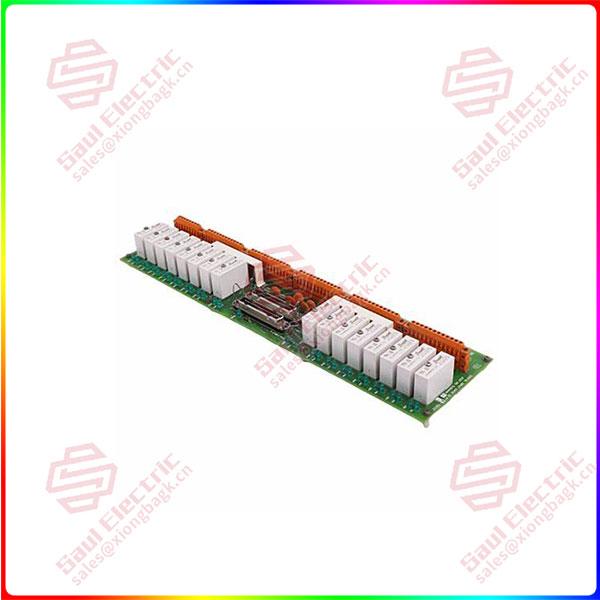
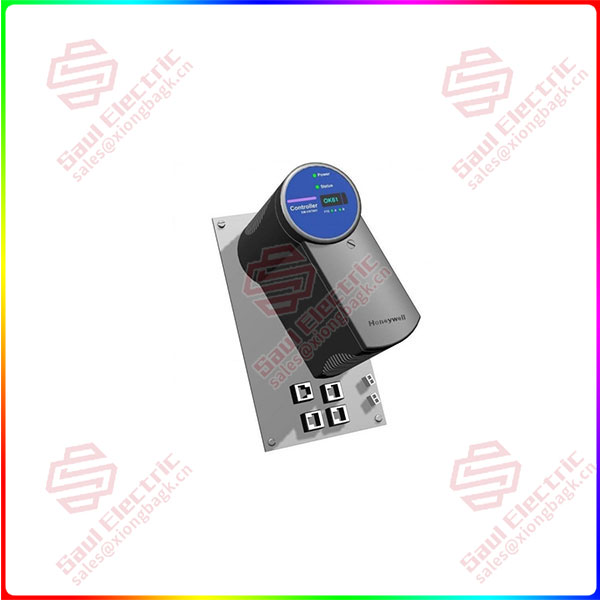
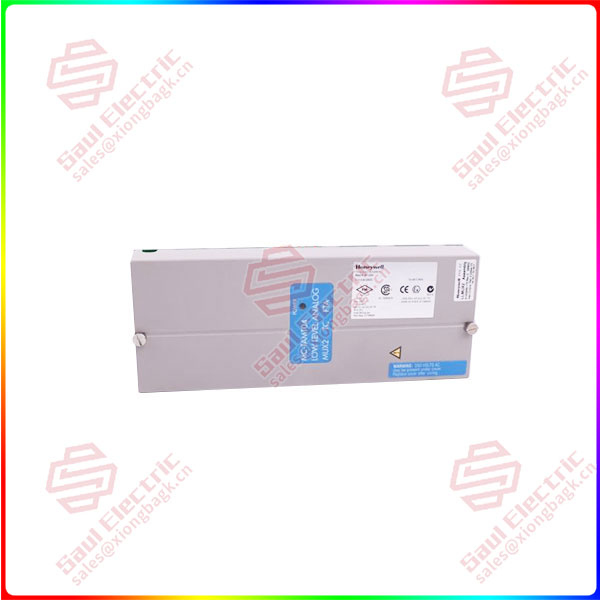
HONEYWELL FC-TSRO-0824 — Room Temperature Controller
Product: FC-TSRO-0824, Room Temperature Controller Module
Manufacturer: Honeywell International Inc.
Product Line: Excel 5000 / WEBs Building Management System (BMS)
Primary Application: A dedicated application-specific controller (ASC) designed for room-level temperature control in building automation systems, typically used to manage fan coil units (FCUs), unit ventilators, heat pumps, or other terminal heating/cooling units in commercial, institutional, and residential spaces.
1. Core Overview & Positioning
The Honeywell FC-TSRO-0824 is a member of Honeywell’s Excel 5000 family of application-specific controllers, specifically designed for terminal unit control. The «TSRO» designation likely stands for Temperature Sensor & Relay Output. It provides a compact, pre-programmed solution for controlling a single thermal zone.
Key Philosophy: It provides a complete, self-contained control solution for a room or zone, integrating temperature sensing, user interface (via a connected thermostat or room sensor), and relay outputs to command heating/cooling devices. It is designed for standalone operation or seamless integration into a building management system.
2. Key Features & Functions
-
Embedded Control Sequences: Contains pre-programmed, optimized control logic for terminal units, typically implementing a heating/cooling PID algorithm with configurable setpoints, deadbands, and operating modes (Heat/Cool/Auto/Off).
-
Integrated Temperature Sensing: Includes a local input for a temperature sensor (e.g., a 10kΩ NTC thermistor or a Honeywell specific sensor) to measure room air temperature. This eliminates the need for a separate sensor in many applications.
-
Dedicated Outputs for Terminal Units: Features a set of relay outputs designed to directly control the actuators in a fan coil unit or similar device:
-
Fan Speed Control: Typically 2 or 3 relays to select fan speeds (High, Medium, Low, Off).
-
Heating/Cooling Valve Control: Relays to energize heating valve (normally closed) and cooling valve (normally closed) actuators.
-
Auxiliary Output: May include an extra relay for additional control (e.g., a pipe heater, alarm).
-
-
User Interface Integration: Designed to connect to a wall-mounted room sensor/thermostat (like Honeywell T7350, T7370 series) that provides the user with temperature display, setpoint adjustment, and mode selection. The controller itself is usually installed remotely (e.g., above a ceiling tile near the unit).
-
Communication Capability: Equipped with a C-Bus communication port for integration into a Honeywell Excel 5000 or WEBs BMS network. This allows for:
-
Remote monitoring of space temperature and setpoint.
-
Remote adjustment of setpoints and operating modes.
-
Alarm monitoring (e.g., filter alarm from a connected differential pressure switch).
-
Scheduling and global overrides from the BMS supervisor.
-
-
Standalone Operation: Can function independently, with all control logic executed locally based on the connected room sensor.
3. Model Number Breakdown & Specifications
Typical Technical Specifications:
-
Power Supply: 24V AC or 24V DC (standard for HVAC controls).
-
Inputs:
-
Room Temperature Input: For a 10kΩ NTC thermistor or similar (often via connections for a remote room sensor).
-
Binary Inputs (Optional): May include a digital input for a filter alarm switch or an occupancy sensor.
-
-
Outputs:
-
Relay Outputs: Typically 5 or 6 SPDT (Form C) relays. Common configuration:
-
3 relays for Fan Speed (High, Medium, Low).
-
2 relays for Heating Valve and Cooling Valve.
-
1 relay for Auxiliary/Alarm.
-
-
Relay Rating: Typically 5A, 240V AC resistive.
-
-
Communication: C-Bus port for network integration.
-
Configuration: Configured using Honeywell CARE software to set parameters like PID gains, temperature setpoints, fan speed logic, and equipment timers (e.g., fan off delay).
-
Mounting: DIN-rail mountable enclosure, typically installed in a control cabinet near the terminal unit.
4. System Integration & Wiring
Control Logic:
-
-
The controller reads the room temperature from the connected sensor.
-
Compares it to the active setpoint (from the local user interface or BMS).
-
Based on the mode (Heat/Cool) and the deviation, it energizes the appropriate valve relay (heating or cooling) to modulate the water flow via the valve actuator.
-
Simultaneously, it controls the fan speed based on the call for heating/cooling or a user-selected fan speed (Continuous, Intermittent).
-
-
BMS Integration: When networked, the BMS can read the room temperature, override the local setpoint for energy savings, and monitor the unit’s status.
5. Typical Applications
-
Fan Coil Unit (FCU) Control: The most common application, controlling 2-pipe or 4-pipe FCUs in hotel rooms, offices, and apartments.
-
Unit Ventilator Control: In classrooms and similar spaces.
-
Heat Pump Control: For water-source or air-source heat pump terminals.
-
Radiant System Control: Controlling pumps and valves in radiant heating/cooling panels.
Reviews
There are no reviews yet.