

Description
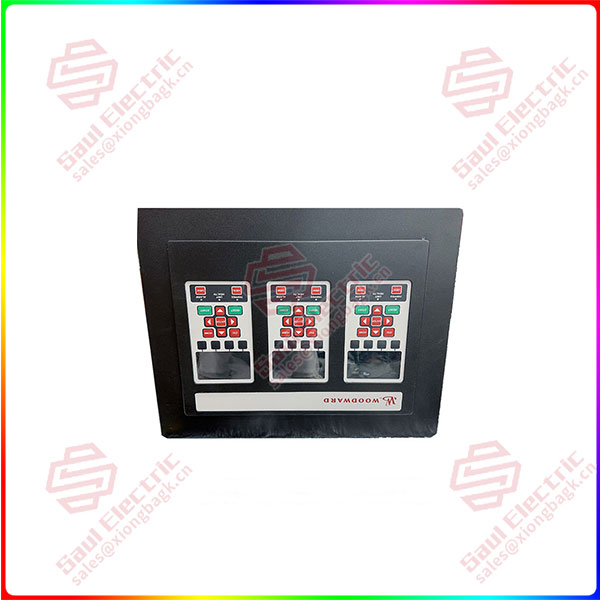
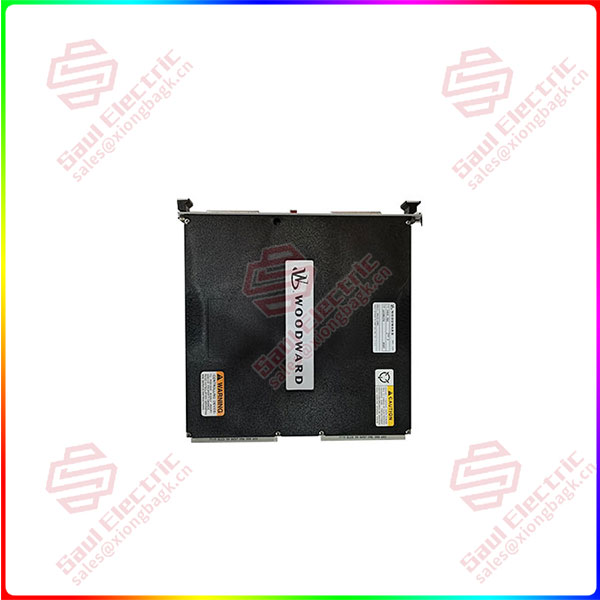
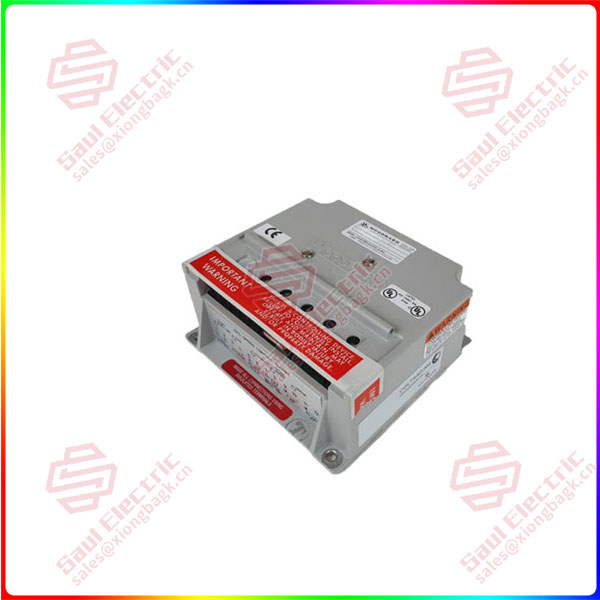
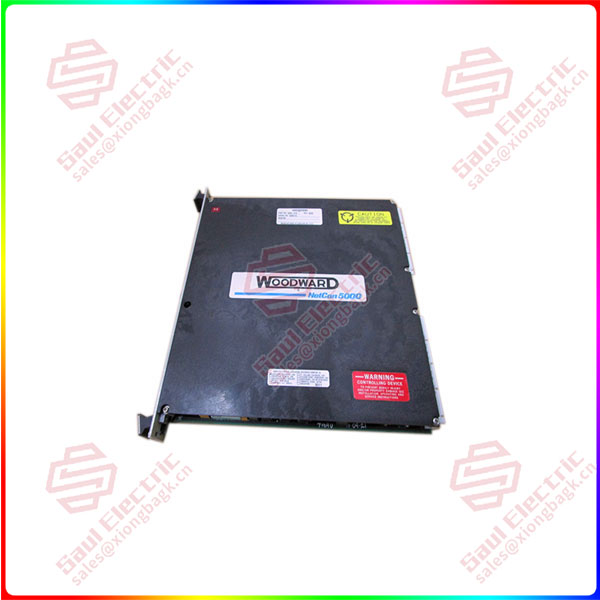
Woodward ProTech-GII 8237-1598 — Overspeed Protection System
Product: ProTech-GII, Model 8237-1598
Manufacturer: Woodward, Inc.
Primary Application: A triple-redundant (TMR) overspeed protection system designed to provide ultra-reliable, failsafe protection against catastrophic overspeed events in gas turbines, steam turbines, and large industrial turbines. It is the last line of defense for turbine mechanical integrity.
1. Core Overview & Positioning
The Woodward ProTech-GII (Generation II) is a dedicated, high-integrity safety system. The model 8237-1598 is a specific configuration within this line. Its sole, critical purpose is to continuously monitor turbine speed and, if a pre-set overspeed trip threshold is reached or exceeded, to initiate an immediate and irreversible shutdown by cutting off the fuel supply or actuating stop valves.
Safety Philosophy: It operates on a 2-out-of-3 (2oo3) voting logic using three independent speed-sensing and processing channels. This Triple Modular Redundant (TMR) architecture ensures:
-
High Availability: A single channel failure does not cause a nuisance trip.
-
High Safety (Failsafe): The system can still trip safely on a single valid overspeed signal even if another channel has failed.
-
It is typically certified for SIL 2 or SIL 3 applications per IEC 61508/61511 standards.
2. Key Features & Functions
-
Triple-Redundant Architecture: Three completely independent speed sensing inputs, signal conditioning paths, and voting processors.
-
Independent Speed Sensing: Accepts signals from three magnetic pickups (MPUs) observing a gear or notched wheel on the turbine shaft. This provides true sensor redundancy.
-
2-out-of-3 Voting Logic: The final trip decision requires agreement from at least two of the three channels, preventing both dangerous failures and spurious trips.
-
Dynamic Self-Testing & Diagnostics: Continuously performs online diagnostics on each channel’s hardware and software integrity. Faults are annunciated early for preventive maintenance.
-
Independent, Redundant Trip Outputs: Provides multiple, physically isolated relay outputs to actuate the turbine’s emergency shutdown solenoids or trip valves.
-
Secure Design: Tamper-resistant front cover and password-protected configuration to prevent unauthorized changes to critical trip setpoints.
-
Event Recording: Stores detailed event logs and a snapshot of speed traces leading up to and during a trip for forensic analysis.
3. Common Technical Specifications (Model 8237-1598)
-
Speed Inputs: Three channels, accepting signals from passive magnetic pickups (MPUs). Typical frequency range up to 20 kHz.
-
Trip Setpoint Accuracy: Extremely high (e.g., ±0.1% of setpoint or better).
-
Response Time: Extremely fast, typically <10 ms from overspeed detection to output relay actuation.
-
Output Relays: Multiple Form-C relay contacts rated for the turbine’s shutdown circuit voltage/current.
-
Power Supply: Designed for redundant and isolated DC power supplies (e.g., 24-48 V DC) to further enhance reliability.
-
Communications: Includes serial (RS-232/485) or Ethernet ports for integration with the turbine control system (e.g., Woodward NetCon) for monitoring, diagnostics, and event retrieval. Crucially, trip setpoints cannot be changed via this link.
-
Display: Front-panel display for viewing speed, status, and diagnostics. Configuration requires a security key or password.
4. System Integration
-
Role: It is a separate, dedicated system that operates in parallel to the primary turbine control system (e.g., Woodward 505 or NetCon). The primary governor controls normal speed; the ProTech-GII is the independent safety guardian.
-
Installation: Mounted in the turbine control panel. Its three MPU sensors are installed on the turbine casing, observing the same wheel but ideally spaced apart.
-
Wiring: Inputs from the three MPUs are routed via separate, shielded cables. Output relays are wired in series with the turbine’s master fuel trip circuit.
-
Bypass: Has a maintenance bypass function for testing, which is strictly controlled and logged.
5. Typical Applications
-
Industrial & Aeroderivative Gas Turbines for power generation and mechanical drive.
-
Steam Turbines in power plants and industrial facilities.
-
Large Compression Trains driven by turbines.
-
Any rotating machinery where a failure due to overspeed would be catastrophic.
Reviews
There are no reviews yet.